


Many students believe that practising for long hours is the key to improvement. While dedication is important, consistency is far more effective than occasional long sessions. Short, focused practice done regularly allows skills to develop steadily, without overwhelming the student.
When we practise consistently, we build muscle memory in a natural and sustainable way. The brain has time to absorb and reinforce what has been learnt, which leads to better retention and more reliable performance. In contrast, long but irregular practice sessions often result in fatigue, reduced concentration, and slower progress.
For most students, 20 to 30 minutes of focused daily practice is far more beneficial than a single long session once or twice a week. This is especially true when preparing for exams, where control, accuracy, and confidence must be developed over time.
Consistency also helps build a routine. When practice becomes part of a daily habit, students are less likely to procrastinate and more likely to stay motivated. Over time, these small, regular efforts lead to noticeable improvement and greater confidence in performance.
Planning Practice That You Can Sustain
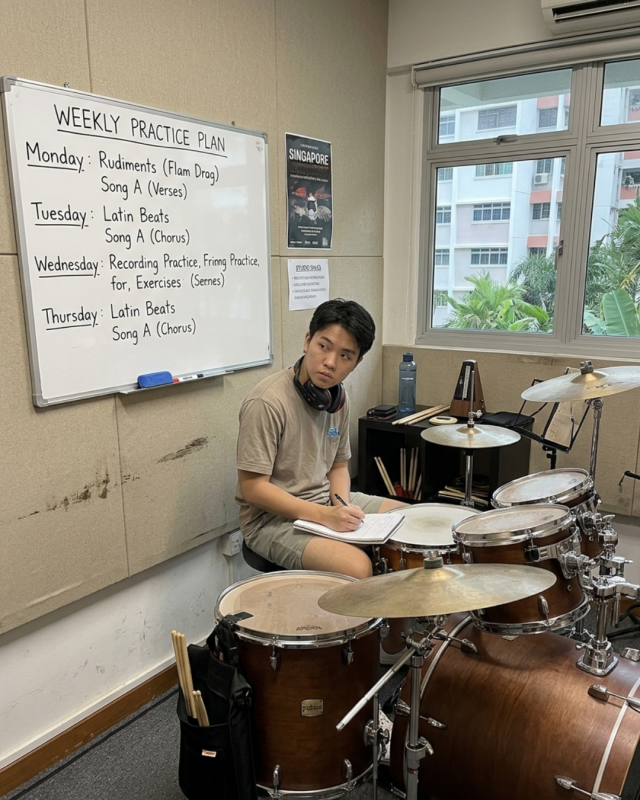
Understanding the importance of consistency is one thing — building a routine that you can realistically maintain is another. The key is not to aim for perfection, but to create a structure that fits naturally into your daily schedule.
Start by setting a fixed practice window each day. This does not need to be long; even 20 minutes at the same time every day can be highly effective. Practising at a consistent time helps turn the activity into a habit, reducing the need for constant motivation.
It is also helpful to break your practice into smaller sections. Rather than playing through everything at once, divide your session into focused areas such as technique, repertoire, and difficult passages. This keeps practice efficient and prevents it from feeling repetitive or overwhelming.
Setting clear, achievable goals for each session can make a significant difference. Instead of aiming to “finish the piece,” focus on something specific, such as improving a section, refining timing, or playing with better control. Small wins build momentum and make progress more visible.
Finally, allow some flexibility. There will be days when time is limited, and that is perfectly normal. A shorter, focused session is always better than skipping practice entirely. Consistency is built over time, not through occasional bursts of effort.
Building Confidence Through Consistency
As consistent practice becomes part of a routine, students often notice that their playing feels more secure and controlled. This confidence comes not from practising longer, but from practising regularly and with purpose.
In the long run, consistent effort leads to stronger results — not only in exams, but in overall musicianship. By focusing on steady progress rather than intensity, students can enjoy the process of learning while achieving meaningful and lasting improvement.
A Note for Exam Candidates
For students preparing for graded assessments such as those offered by RSL Awards, consistent practice is especially important. Exam success is not built in the final weeks, but through steady preparation over time — developing technical control, familiarity with repertoire, and confidence in performance conditions.
By maintaining a regular practice routine, candidates place themselves in a much stronger position to approach their exams with assurance and perform at their best.
Check out our e-Shop to get your latest Rockschool Books here.
Sign up for your next RSL Awards Exam here!