


Practice builds skill — but it’s the stage that shapes the musician.
Every musician knows the feeling: hundreds of hours of careful practice, running scales, refining phrases, working through difficult passages in the quiet of a practice room. And yet, when the moment comes to step in front of an audience, something shifts. That shift — and what it teaches — is exactly why performance experience is irreplaceable in music education.
Practice builds skill. Performance builds character.
Practice is where technique is forged. It’s methodical, repetitive, and essential. But the real-world setting of a performance introduces something no amount of solo practice can replicate: the presence of other people watching, listening, and expecting. This pressure is not something to be avoided — it’s something to be developed.
Playing in front of others teaches students how to manage nerves, stay focused under scrutiny, and — crucially — how to recover gracefully from small mistakes. These are not musical skills alone. They are life skills.
“Confidence in performance often translates into greater ease in presentations, public speaking, and other real-life situations.”
Every performance is a step forward
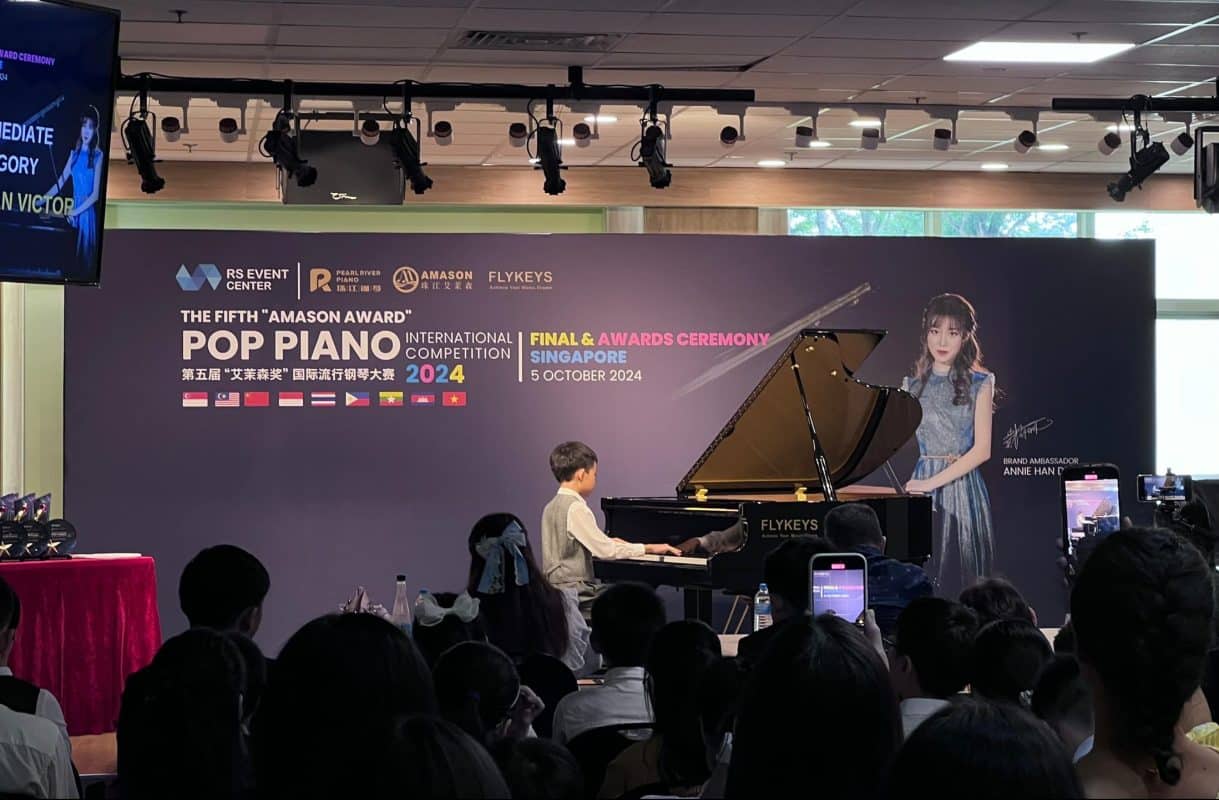
Not all performances need to be grand concerts. The spectrum is wide and each point on it carries its own value.
Formal ExamsRecitalsInformal Showcases
Each of these opportunities — whether a graded exam, a school recital, or an informal gathering — helps students become more comfortable in the performer’s role. Anxiety doesn’t disappear overnight, but it does reduce gradually as familiarity grows. The student who dreaded their first performance often becomes the one who seeks out new opportunities.
Beyond notes: musical communication
There is a dimension of music that lives beyond technical correctness — and it can only be discovered in front of an audience. When students perform, they learn to think about expression, intention, and connection. They move from simply playing the right notes in the right order to actually communicating something through sound.
This shift towards musical communication is one of the most profound developments a student can experience. It marks the transition from playing music to truly making music.
Skills that travel beyond the stage
Stage confidence
Nerve management
Focus & recovery
Public speaking ease

The benefits of regular performance experience reach far beyond music. Students who learn to stand before an audience, manage the weight of expectation, and communicate with clarity and intention carry those abilities into every area of their lives — classrooms, workplaces, and beyond.
Music practice builds the hands. Performance builds the whole person. That’s why every recital, every exam, every informal showcase matters — not just for the notes played, but for the person becoming.